
 Türkçe
Cazip Fiyatlar
Timber Prices and Types
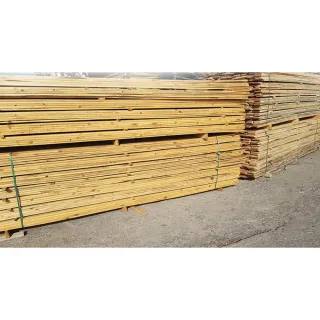
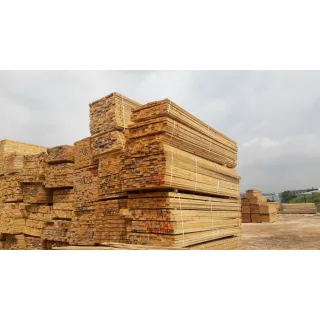
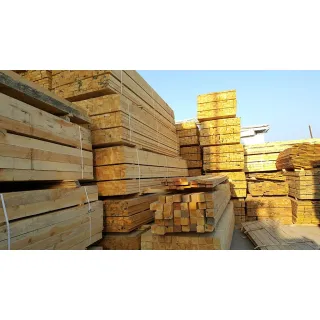
Timber is a basic wood product group used in construction sites, formwork support, packaging and various building applications. This category includes 5×10 and 10×10 timber, planks, boards, general timber products and used timber options.
When selecting timber, compare section size, length, intended use, surface and condition, new or used status and required quantity rather than price alone.




Showing 1 to 7 of 7 (1 Pages)
Timber Selection Guide
Timber can be used for support, formwork-related work, temporary construction, packaging and other jobsite applications. Section size, length, surface and condition may vary by intended use. Price comparisons are therefore most useful when equivalent dimensions and conditions are compared.
5×10 and 10×10 Timber
The category includes 5×10 timber and 10×10 timber. These expressions refer to section dimensions. The appropriate section should be selected according to the application, support arrangement and project requirement.
Planks and Boards
Planks and boards may be used in different construction, temporary support, protection, packaging or woodworking applications depending on their dimensions and condition. Surface quality, straightness, cracks and previous use should be considered when selecting material.
New and Used Timber
The category includes both new and used timber products. For used material, inspect previous-use marks, surface condition, section integrity, warping, cracks and overall usability before purchase.
Where Is Timber Used?
Timber and boards may be used for jobsite support and temporary work, packaging, protection, temporary platforms and various woodworking tasks. Actual suitability depends on dimensions, condition and project requirements.
For engineered timber beams used in formwork systems, see the separate H20 Wooden Beam category.
What Should You Consider When Choosing Timber?
- Section size: choose 5×10, 10×10, plank or board dimensions according to the application.
- Length: consider required length and cutting waste.
- Condition: inspect warping, cracks, damage and previous-use marks.
- New or used: verify usability and dimensional consistency of used material.
- Application: formwork support, packaging and other building tasks may require different sections.
- Quantity and logistics: bulk quantities, lengths and delivery conditions can affect total cost.
Related Product Groups
- H20 Wooden Beams – engineered timber beams for formwork systems.
- OSB and Plywood – panel products for construction applications.
- Plywood – film-faced and other plywood options.
- Scaffolding and Formwork Systems – systems for concrete and jobsite applications.
Timber Prices
Timber prices can vary according to section size, length, product type, new or used condition, overall condition, order quantity and current stock. 5×10 timber, 10×10 timber, planks and boards should be compared within equivalent specifications.
Share section size, length, timber/product type, new/used preference, approximate quantity and delivery location to request a bulk or project timber quotation.
Frequently Asked Questions
What is the difference between 5×10 and 10×10 timber?
The main difference is the section dimension. The appropriate size depends on the intended application and project requirements.
Can used timber be purchased?
Yes, if its condition suits the intended task. Warping, cracks, damage, section loss and general usability should be checked.
Are planks and timber the same?
A plank is a form of timber product defined by its shape and dimensions. Actual dimensions and intended use should be checked before selection.
What affects timber prices?
Section size, length, product type, new or used condition, quantity and current stock can affect price.
Is standard timber the same as an H20 wooden beam?
No. H20 wooden beams are engineered products intended for formwork systems and are different from standard construction timber.